
Tiziana Catarci
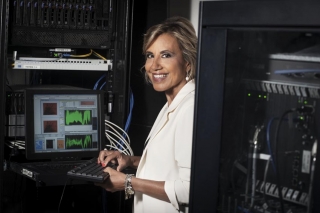
Tiziana Catarci si è laureata in Ingegneria Elettronica nel febbraio 1987 presso l’Università degli Studi di Roma La Sapienza, dove ha conseguito il titolo di Dottore di Ricerca in Informatica nell'ottobre 1992. Dal novembre 2000 è professoressa ordinaria di Sistemi di Elaborazione delle Informazioni (ING-INF/05). Afferisce al Dipartimento di Ingegneria Informatica, Automatica e Gestionale Antonio Ruberti (DIAG, in precedenza Dipartimento di Informatica e Sistemistica), presso la Facoltà di Ingegneria Informatica, Informatica e Statistica della Sapienza Università di Roma.
Nel novembre 2020 è membro fondatore di SIpEIA, Società Italiana per l’Etica dell’Intelligenza Artificiale, di cui è presidente dal 2024.
Dal 2019 fa parte del Nucleo di Valutazione e OIV dell’Università di Teramo.
Dal 19 febbraio 2020 è componente del Consiglio Superiore dei Lavori Pubblici per il triennio 2020-2023.
Dal novembre 2018 all'ottobre 2024 ha diretto il DIAG.
Dal novembre 2022 all'ottobre 2024 è stata rappresentante in Senato Accademico del personale docente di prima fascia per la macroarea D.
Dal giugno 2017 al novembre 2023 è stata Editor-in-Chief dell’ACM Journal of Data and Information Quality (JDIQ).
Dal 2014 al 2020 ha diretto il Centro Interuniversitario sull'Elaborazione Cognitiva in Sistemi Naturali e Artificiali (ECONA).
Dal 2015 al 2018 è stata direttrice del centro interdipartimentale di ricerca “Sapienza Design Research”.
Dal luglio 2015 al giugno 2017 è stata Presidente di Kion S.p.A., società del gruppo CINECA, di cui è Consigliere di Amministrazione dal 2011 al 2017.
Dal 2009 all'ottobre 2014 è stata Presidente del Centro Infosapienza.
Dal novembre 2010 all’aprile 2014 è stata Prorettrice per le Infrastrutture e le Tecnologie della Sapienza e dal maggio 2010 all’aprile 2014 è stata Coordinatrice dell’Organismo di Indirizzo e Raccordo della stessa Sapienza.
L’attività di ricerca di Tiziana Catarci è iniziata nel settembre 1986, presso il Dipartimento di Informatica e Sistemistica. Nel corso degli anni, le principali tematiche su cui è stata svolta l'attività di ricerca sono state:
- Interazione Persona-Calcolatore
- Linguaggi ed interfacce per l’interazione con basi di dati
- Qualità dei dati nei sistemi informativi
- Modellazione e progettazione di basi di dati
- Algoritmi di layout
Su questi temi Tiziana Catarci ha pubblicato oltre 200 articoli in prestigiose riviste e conferenze internazionali e scritto od editato più di 20 libri (un sottinsieme è qui: http: //dblp.uni - trier.de/pers/hd/c/Catarci:Tiziana). Inoltre, ha coordinato od ha partecipato a numerosi progetti di ricerca nazionali ed internazionali, inclusi i progetti europei KIM, VENUS, FADIVA, LAURIN, SEWASIE, DELOS, Interop, WORKPAD, SM4All, PROMISE, SmartVortex.
ATTIVITA' DIDATTICA
Le attività didattiche istituzionali sono state condotte inizialmente nella Facoltà di Ingegneria della Sapienza e, dopo la sua istituzione, nella Facoltà di Ingegneria dell’Informazione, Informatica e Statistica della stessa università ed hanno interessato principalmente gli insegnamenti di basi di dati e di interazione persona-calcolatore. In particolare, Tiziana Catarci ha introdotto nel corso di laurea in Ingegneria Informatica della Sapienza la tematica dell’interazione persona-calcolatore, praticamente ignorata in Italia nell’insegnamento universitario di materie informatiche, a differenza di ciò che accadeva già dagli anni ’80 negli Stati Uniti (si vedano per esempio il MIT, GeorgiaTech o VirginiaTech).
ATTIVITA' GESTIONALE
Nell’ambito delle sue attività come Prorettrice alle Infrastrutture e Tecnologie e Presidente di Infosapienza, Tiziana Catarci ha promosso un profondo rinnovamento e razionalizzazione delle infrastrutture tecnologiche (ampliamento e sistematizzazione delle reti e del WiFi) e dei servizi informatici, dotando la Sapienza di sistemi informativi integrati, a supporto di tutte le attività amministrative, di ricerca e di didattica, e strumento indispensabile per la reingegnerizzazione e semplificazione dei processi amministrativi. In questo ambito è stato portato a completo compimento il percorso di informatizzazione e dematerializzazione delle carriere degli studenti e della programmazione didattica.
Ha inoltre sostenuto l’innovazione dei servizi di comunicazione e informazione, in particolare nei confronti degli studenti, sfruttando le potenzialità della comunicazione digitale. Sotto il suo coordinamento, infatti, la Sapienza ha realizzato un nuovo portale, progettato raccogliendo i requisiti e le effettive esigenze di tutte le tipologie di utenti. Al portale sono stati collegati i canali sociali della Sapienza (Facebook, Twitter e You Tube). Inoltre, è stato adottato un nuovo, più efficiente e moderno sistema di posta elettronica e ambiente di collaborazione, a disposizione degli studenti e di tutto il personale della Sapienza, basato sulle Google Apps. Non secondario ai fini della comunicazione e della diffusione della cultura è stato lo sviluppo della Sapienza Digital Library, che contiene in formato digitale buona parte del patrimonio librario e multimediale della Sapienza, anche grazie alla consistente attività di digitalizzazione svolta gratuitamente da Google a seguito dell’adesione dell’Ateneo al progetto Google Books.
Infine, ha promosso un progetto che prevede l’organizzazione di un “cloud” della Sapienza, cioè un insieme virtuale e distribuito di strumenti informatici che permettono di memorizzare/archiviare e/o elaborare grandi quantità di dati, dati che verranno esposti il più possibile in modalità aperta, con servizi personalizzati saranno disponibili per tutti gli utenti e accessibili tramite una versione evoluta del portale.
Tiziana Catarci è stata candidata a Rettore della Sapienza per il periodo 2014- 2020 (cf. il movimento SapienzaFutura)
Altre attività
Dal 2006 fa parte dell’Advisory Board di HCIV, un programma di ricerca su HCI e Visualization finanziato dalla Germania tramite il DFKI di Kaiserslauter.
Dal 2016 fa parte del Big Data Committee dell’Istituto Nazionale di Statistica (ISTAT).
Dal 2018 fa parte del Comitato di Indirizzo per il progetto di innovazione digitale (EDI) di Confcommercio.
Dal 2018 fa parte del Comitato Scientifico del “Laboratorio sui Sistemi Informativi Sanitari” dell’Alta Scuola di Economia e Management su Sistemi Sanitari dell’Università Cattolica del Sacro Cuore.
Dal 2018 è nel board di valutazione del premio “Most Powerful Women”, promosso dalla rivista FORTUNE.
Dal 2020 fa parte del Comitato Scientifico “Osservatorio Telemedicina” dell’Alta Scuola di Economia e Management su Sistemi Sanitari dell’Università Cattolica del Sacro Cuore.
Dal dicembre 2022 è componente del Comitato Etico del progetto PRODIGIT per la digitalizzazione e creazione di servizi innovativi a supporto alla Giustizia Tributaria del MEF.
Relativamente ad attività di valutazione di ricerca industriale e sviluppo precompetitivo, a partire dal 2005 ha collaborato con il Ministero dello Sviluppo Economico, sia come esperto per la valutazione di singoli progetti, che come membro di panel di valutazione per progetti F.I.T. – legge 46/82 e PIA. Ha svolto attività di valutazione per il Ministero dell’Istruzione, dell’Università e della Ricerca (MIUR). Ha svolto inoltre attività di valutazione per progetti regionali delle regioni Calabria, Liguria, Marche ed Emilia Romagna.
Relativamente ad attività di valutazione della ricerca, è stata revisore di progetti PRIN e FIRB per il MIUR, nonché di progetti del VI Programma Quadro per l’Unione Europea.
Girls in STEM
Da molti anni Tiziana Catarci si interessa sia alle problematiche di genere nell’ambito delle cosiddette materie STEM, che alla diffusione della cultura STEM tra le bambine e ragazze (attività per cui è stata premiata nel 2017 dalla Associazione Levi Montalcini). Nel corso di questa attività ha sia pubblicato articoli scientifici che, soprattutto, organizzato incontri con ragazze di istituti superiori, collaborato in progetti promossi da organizzazioni pubbliche e private, svolto il ruolo di role model e mentore in incontri e presentazioni. In particolare, tra le iniziative più recenti, va ricordata la partecipazione ai progetti:
“In Estate si imparano le STEM”, promosso dal Dipartimento per le Pari Opportunità della Presidenza del Consiglio dei Ministri, per la realizzazione di campi estivi di scienze, matematica, informatica e coding rivolti alle istituzioni scolastiche primarie e secondarie di primo e secondo grado, nell’ambito delle iniziative volte a promuovere le pari opportunità e a contrastare gli stereotipi di genere nei percorsi scolastici, sviluppate in collaborazione con il Ministero dell’Istruzione, dell’Università e della Ricerca.
"Inspiring Girls", progetto (promosso da ValoreD, Eni, Intesa San Paolo e Corriere della Sera) che si prefigge di aiutare le studentesse delle scuole medie inferiori e superiori a superare gli stereotipi di genere e di incoraggiarle ad intraprendere carriere di studio e di lavoro in campo scientifico, tecnologico e informatico,. http://www.inspiring-girls.com/
“Women in Motion”, un progetto lanciato da FS Italiane, che nasce con l'obiettivo di promuovere la carriera delle donne nelle aree tecniche e nei profili professionali ad oggi rivestiti per la maggior parte da uomini. http://wim.win/
“Girls in Motion”, una iniziativa collegata a “Women in Motion”, promossa da una rete di grandi aziende italiane con donne al vertice, e rivolta alle studentesse di scuola superiore. Un gruppo di 20 ragazze, selezionate tra oltre 1500 candidate, ha visitato i luoghi dell’eccellenza tecnica delle aziende del network e incontrato role model femminili. Le ragazze hanno potuto così raccontare la cultura tecnica al femminile con testi, immagini e video da condividere sulla pagina Facebook di WIM - Women in Motion e spingere altre ragazze come loro a scegliere un corso di laurea o una carriera professionale nei settori tecnico-scientifici.
“Storie di Leadership” promosso da Edison e Valore D, in cui modi di essere leader, al femminile e al maschile, si confrontano.
Dal giugno 2020 è componente del Management Committee della COST Action CA19122 “European Network for Gender Balance in Informatics”.
Dal marzo 2021 è la rappresentante Sapienza nell’advisory board di STEAmiamoci https://steamiamoci.it/chi-siamo/.
Dal settembre 2022 è nel GdL sul "Superamento del divario di genere nell'ambito delle competenze digitali" istituito da Repubblica Digitale - Dipartimento per la Trasformazione Digitale, PdCM.
Tiziana Catarci's main research interests are in theoretical and application oriented aspects of visual formalisms for databases, information visualization, database design, cooperative information systems, user interfaces, usability, digital libraries, data quality and Web access. She is recently working on AI ethics as a founder of SIpEIA, the Italian Scientific Society for Ethics in Artificial Intelligence https://sipeia.diag.uniroma1.it/. On these topics she has published over 200 papers in leading journals and conferences and 20 books. Her contribution can be regarded as one of the first and most significant examples of deep analysis and formalization of the interaction between the user and the database, which takes in consideration both usability issues and language related aspects.
In 2003
In 2015 she received the honor of Commander of the Italian Republic.
Since 2016 she is member of the prestigious European Academy of Sciences and Arts (www.euro-acad.eu).
In 2016 she has been included among the “100 Women for Science” project - http://www.100esperte.it/.
In 2017 she received the Levi Montalcini Association award for the "diffusion of scientific culture among younger generations".
In 2018 she was chosen to be part of the "InspiringFifty", https://italy.inspiringfifty.org/, 50 women who act as role models in the world of technology, inspiring younger women (and men) as a point of reference for their ambitions.In 2018 she was nominated fellow of the EAI - European Alliance for Innovation.In 2020 she has been included in the list of World's Top 2% Scientists compiled by the Stanford University (https://data.mendeley.com/datasets/btchxktzyw/2).
In 2021 she received the Women&Tech international award “Le Tecnovisionarie”.
Membro di
Awards
| 2021 | Le Tecnovisionarie |
Ultime pubblicazioni
| TraVIS: A User Trace Analyzer to Support User-Centered Design of Visual Analytics Solutions on IEEE TRANSACTIONS ON VISUALIZATION AND COMPUTER GRAPHICS | 2025 |
| EDD: A Web-Based Editor for Declarative Process Models Using easyDeclare on Doctoral Consortium and Demo Track 2024 at the International Conference on Process Mining 2024 (ICPM-D 2024) | 2024 |
| Editor-in-Chief (June 2017–November 2023) Farewell Report on ACM JOURNAL OF DATA AND INFORMATION QUALITY | 2024 |
| End-user Algorithmic Auditing for Music Discoverability: A Research Roadmap on MuRS 2024 MuRS: 2nd Music Recommender Systems Workshop 2024 | 2024 |
| Ethics and cultural background as key factors for an attractive Metaverse on COMMUNICATIONS OF THE ACM | 2024 |
| InterView: A System to Support Interaction-Driven Visualization Systems Design on Lecture Notes in Computer Science | 2024 |
| moduli: A Disaggregated Data Management Architecture for Data-Intensive Workflows on SIGWEB NEWSLETTER | 2024 |